

Home > Company News
Congestion, mild blood-stained drainage, modest facial pressure, fatigue, and temporary fluctuation in smell are common during the first several days. Absorbable material or packing may be present, and mouth breathing can cause dryness. Symptoms should gradually improve rather than steadily worsen.
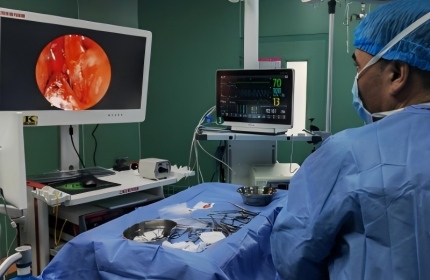
• Rest as directed and initially avoid bending, heavy lifting, strenuous exercise, and straining.
• Do not pick the nose or remove packing yourself; follow instructions about nose blowing and return to exercise.
• Sneeze with the mouth open when possible and avoid tobacco smoke, dust, and excessive heat.
• Small streaks of blood may be observed; ongoing fresh bleeding, repeated swallowing of blood, dizziness, or weakness requires medical advice.
After the surgical team approves it, saline irrigation helps remove clot and secretions, keeps the mucosa moist, and improves delivery of topical medication. The start time, frequency, and device should follow individualized instructions. Do not begin high-pressure irrigation before it has been approved.
An intranasal corticosteroid is often used to control long-term inflammation and reduce recurrence, but the timing, formulation, and dose are clinician-directed. Antibiotics and oral corticosteroids are not fixed postoperative treatment for everyone and should not be extended without advice.
At follow-up, the clinician assesses healing, removes crust or secretions that obstruct drainage when appropriate, and looks for adhesions, infection, or early polypoid change. Visit frequency depends on surgical extent, healing, and inflammatory pattern. Pulling off deep crusts at home may cause bleeding and mucosal injury.
• Continue the prescribed saline and intranasal corticosteroid plan rather than stopping as soon as symptoms improve.
• Manage asthma, allergy, and aspirin-exacerbated respiratory disease alongside the nasal condition.
• Return early if smell declines again, obstruction progressively worsens, or infections recur.
• For severe recurrence, a specialist team may reassess medication, biologic therapy, or revision surgery.
Seek immediate advice from the surgical team or emergency care for persistent heavy fresh bleeding, reduced or double vision, increasing swelling around the eye, persistent high fever, severe headache with neck stiffness, or continuous one-sided watery drainage.
Medical Disclaimer
This article is for health education and web-content reference only. It does not replace an in-person medical assessment, diagnosis, or treatment. Surgical candidacy and the treatment plan must be determined by qualified ENT professionals.

+86-13167065777
Building 5A, No. 9628, Hunan Highway, Pudong New Area, Shanghai, China
 Links:
Shanghai Shiyin Photoelectric Instrument Co.,Ltd. All Right Reserved